
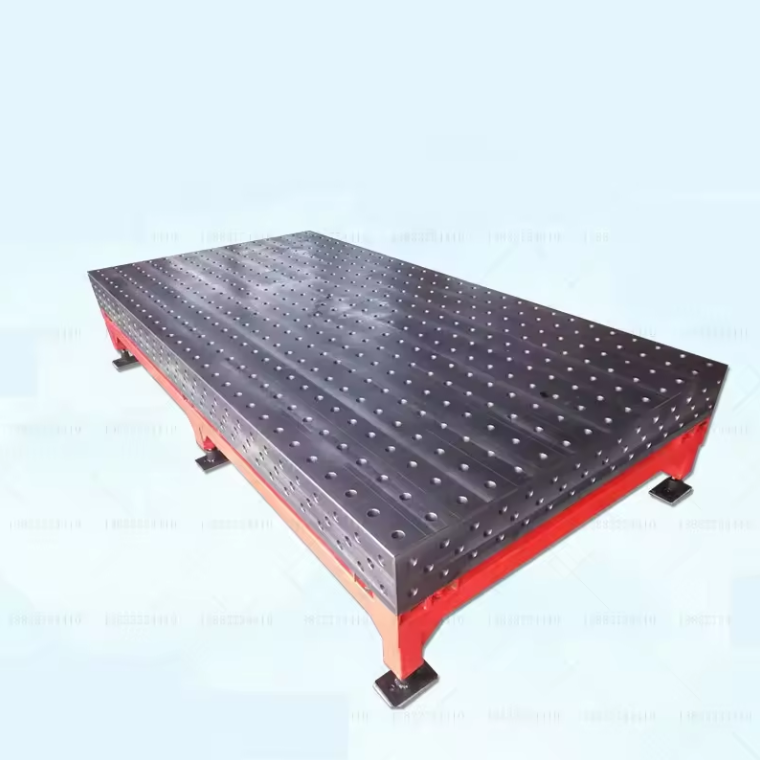
grey laminated glass
Types of Water Valves An Overview Water valves are essential components in plumbing and irrigation systems, serving the critical role of controlling the flow of water. These devices come in various types, each designed for specific applications and functionalities. Understanding the different types of water valves is crucial for homeowners, plumbers, and engineers alike, as each valve type has its advantages and ideal use cases. 1. Gate Valves Gate valves are widely used in water supply systems due to their ability to provide a straight-line flow of water with minimal resistance. They operate by lifting a gate or wedge out of the path of the water flow. While gate valves are excellent for fully opening or closing the flow, they are not suitable for throttling or regulating flow, as doing so can lead to wear and tear. They are often used in applications where a tight seal is required, such as in water mains or drainage systems. 2. Globe Valves Globe valves are designed for throttling flow, making them ideal for applications where precise flow control is necessary. The valve features a spherical body with an internal baffle that directs flow, allowing for a greater surface area to control water pressure and flow rate. Globe valves are commonly used in water treatment plants and industrial applications due to their excellent sealing capability and ease of operation. 3. Ball Valves Ball valves are known for their sturdy construction and reliable performance. They consist of a hollow, perforated sphere (the ball) that rotates within the valve body to control flow. When the ball is aligned with the flow, water passes through; when it is perpendicular, the flow is blocked. Ball valves are favored in applications requiring quick shut-off and are commonly used in residential plumbing, irrigation systems, and gas lines. type of water valves 4. Check Valves Check valves are crucial for preventing backflow in plumbing and irrigation systems. They allow water to flow in one direction and automatically close if the flow reverses, protecting the system from contamination and damage. Check valves come in various designs, including swing check valves and ball check valves. They are widely used in sump pumps, water pipelines, and sewage systems to ensure no backflow occurs. 5. Pressure Relief Valves Pressure relief valves are vital for protecting systems from excessive pressure buildup, which can lead to catastrophic failure. These valves automatically open when the pressure exceeds a preset limit, allowing excess water to escape and maintaining safe operating conditions. They are commonly used in hot water systems, steam boilers, and other pressurized applications. Regular maintenance of pressure relief valves is essential to ensure they function properly when needed. 6. Solenoid Valves Solenoid valves use an electromechanical solenoid to control the flow of water. When the solenoid is energized, it opens or closes the valve, allowing for remote control of water flow. These valves are frequently found in automatic irrigation systems, industrial processes, and water treatment facilities, where they enhance automation and precision. Conclusion In summary, the various types of water valves play an essential role in managing water flow within different systems. Each type of valve—whether gate, globe, ball, check, pressure relief, or solenoid—offers unique functionalities suited to specific applications. When selecting a valve, it is crucial to consider factors such as the required flow control, pressure rating, and operational environment. By understanding the characteristics and applications of each valve type, one can ensure optimal performance and longevity in their plumbing and irrigation systems. Proper installation and maintenance of water valves will not only enhance efficiency but also prevent costly repairs or system failures in the long run.
about
grey laminated glass
Using V Blocks An Essential Tool for Precision and Accuracy in Machining In the world of machining and manufacturing, precision is paramount. To achieve the exact specifications required for components, machinists rely on a variety of tools and techniques. One of these indispensable tools is the V block. This simple yet highly effective device serves as a fixture for holding workpieces, ensuring that they are positioned securely and accurately during various machining processes. This article explores the uses, advantages, and best practices associated with V blocks in machining environments. What are V Blocks? V blocks are precision-milled blocks, typically made of metal, that feature a V-shaped groove on one or more sides. This design allows them to hold cylindrical workpieces, such as shafts or rods, firmly in place. V blocks come in various sizes, and they can be purchased individually or as part of a larger set. They are often used in conjunction with clamps and other equipment to create a stable workstation. Applications of V Blocks V blocks are used in a wide range of applications across different sectors of machining and manufacturing. Here are some common uses 1. Holding Cylindrical Workpieces The primary function of a V block is to securely hold cylindrical objects. By resting a workpiece in the V-shaped groove, it prevents movement during processing, allowing for accurate machining. 2. Drilling and Tapping In machining operations where drilling or tapping is required, V blocks provide stability for the workpiece, ensuring that the drill bit or tap remains aligned with the desired entry point. 3. Measuring and Inspection V blocks are also valuable in measurement and inspection processes. For example, when using a caliper or gauge to check the dimensions of a cylindrical part, a V block provides a steady surface that enhances accuracy. 4. Indexing Workpieces For operations that require flipping or rotating a workpiece, V blocks can be used to index positions, allowing for repeatable set-ups without the need for re-alignment. Advantages of Using V Blocks The benefits of utilizing V blocks in machining operations extend beyond just their ability to hold components. Here are some key advantages using v blocks 1. Improved Accuracy By securely holding workpieces, V blocks reduce the likelihood of errors related to movement during machining. This contributes to higher precision and quality in the final product. 2. Ease of Use V blocks are simple tools that can be easily positioned and adjusted. Their design promotes efficiency, allowing machinists to focus on the task at hand rather than wrestling with poorly secured workpieces. 3. Versatile Applications V blocks can be used with a variety of machines, including drill presses, lathes, and milling machines. Their versatility makes them a valuable addition to any workshop. 4. Cost-Effective Solution Compared to other holding fixtures, V blocks are relatively inexpensive. Their cost-effectiveness does not compromise performance, making them a wise investment for any machining operation. Best Practices for Using V Blocks To maximize the effectiveness of V blocks, consider these best practices 1. Choose the Right Size Select a V block that fits your workpiece size. Using an appropriately sized block ensures optimal stability and support. 2. Secure the Workpiece Always use appropriate clamps or straps to secure the workpiece in place. This prevents any movement during machining, safeguarding against inaccuracies. 3. Regular Maintenance Keep V blocks clean and free of debris. Regularly check for wear and tear to ensure they continue to perform effectively. 4. Use With Other Tools Combine V blocks with other holding fixtures, like vises and jigs, for more complex machining tasks. This enhances stability and accuracy further. In conclusion, V blocks are a fundamental component in the toolset of any machinist. Their ability to hold cylindrical workpieces securely while providing the precision necessary for high-quality machining makes them invaluable. By understanding their applications and adhering to best practices, machinists can significantly enhance their workflow and achieve superior results in their machining tasks.
-

High quality industrial productsagement

High quality industrial products
View Details -

Meet the diverse needs of customers

Meet the diverse needs of customers
View Details -

Strict quality control

Strict quality control
View Details -

Top raw materials

Top raw materials
View Details -

Trusted supplier

Trusted supplier
View Details
Our application



news and information
Válvula Strainer Tipo Y - Proteção Eficiente para Sistemas de Tubulação
Válvula de Strainer do Tipo Y Importância e Aplicações As válvulas de strainer, conhecidas também co

Valve anti - retour Baron
Le Vanne à Boule Un Dispositif Essentiel pour la Sécurité des Systèmes Hydraulique La vanne à boule

vertical guide rails
Understanding Vertical Guide Rails A Key Component in Industrial Design Vertical guide rails are cru
 English